
How to Wash a Vehicle Properly
First and foremost, THERE IS NO SUCH THING AS A PERFECT WASH! There are, however, factors involved in washing a vehicle that can provide more positive results in the cleaning of a vehicle.
When considering “how to wash a car,” it is common, and understandable, to seek the perfect wash. Unfortunately, there are no miracle products available that fit every need.
What type of soil are we trying to clean? Is it dirt? Is it a hydrocarbon such as road grime (oil) from the asphalt? What about brake dust? Each of the aforementioned requires a different specialized type of detergent or cleaning solution. But wait… even a specialty detergent isn’t enough!
Professional car wash operators know that achieving a truly clean vehicle requires much more than simply spraying water and soap.
Whether you’re washing a vehicle at home, using a self-serve bay or washing in an automatic car wash, there are five critical factors that determine the quality of every wash:
1) Water Volume
- Gallons Per Minute (GPM)
2) Water Pressure
- Pounds of Pressure per Square Inch (PSI)
3) Water Quality
- Is it hard water or soft water?
- Is it cold water or hot water? (If it is hot water – how hot is it?)
4) Good Chemistry
- Is the detergent formulated for the type of soil and subsurface we are cleaning?
- How hot is the detergent when it is applied?
5) Time
- How much “soaking” or “dwell” time is needed for the detergent to work?
If any one of these factors is compromised, the quality of the wash is compromised as well.
Understanding how these elements work together can help car owners achieve better results and help car wash operators deliver superior customer experiences.
Why Proper Car Cleaning Matters
For many people, buying a vehicle is one of the largest financial commitments they will make in their lifetime, often second only to purchasing a home. Regular washing helps protect that investment by removing:
- Road salt
- Dirt and mud
- Oil and grease
- Industrial fallout
- Bird droppings
- Tree sap
- Environmental contaminants
Proper cleaning helps preserve paint, maintain resale value and extend the life of exterior surfaces.
However, achieving a quality wash requires more than simply rinsing a vehicle. It requires the right combination of science, equipment and technique.
Factor #1: Water Volume
One of the most overlooked aspects of washing a vehicle is water volume.
What Is Water Volume?
Water volume refers to the amount of water being delivered during the wash process, typically measured in:
GPM (Gallons Per Minute)
In the professional car wash industry, the standard is approximately:
2.8 to 3.5 GPM (Gallons Per Minute) for self-service car washes.
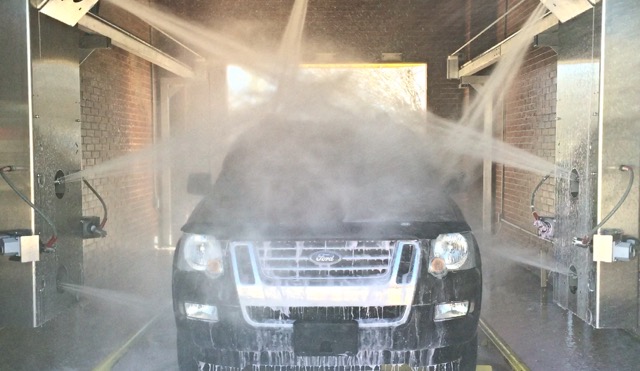
36 GPM (Gallons Per Minute) for in-bay touchless automatic car washes.
This volume is critical because water performs several important tasks:
- Carries cleaning chemicals
- Loosens dirt and debris
- Rinses contaminants away
- Helps prevent residue from remaining on surfaces
Without sufficient water volume, even the best chemicals and equipment can struggle to clean effectively.
Why Water Volume Matters
Think of water volume as the transportation system for the entire wash process.
The greater the volume:
- The more dirt can be carried away
- The faster contaminants are removed
- The more efficient the rinse cycle becomes
Too little water volume often results in:
- Soap residue
- Incomplete rinsing
- Streaking
- Poor overall cleaning performance
This is why professional car wash systems are engineered to provide the correct water volume throughout the entire wash cycle.
Factor #2: Water Pressure

Water pressure is another major component of effective vehicle cleaning.
Industry Standard Water Pressure
Most automatic and self-serve car wash systems operate between:
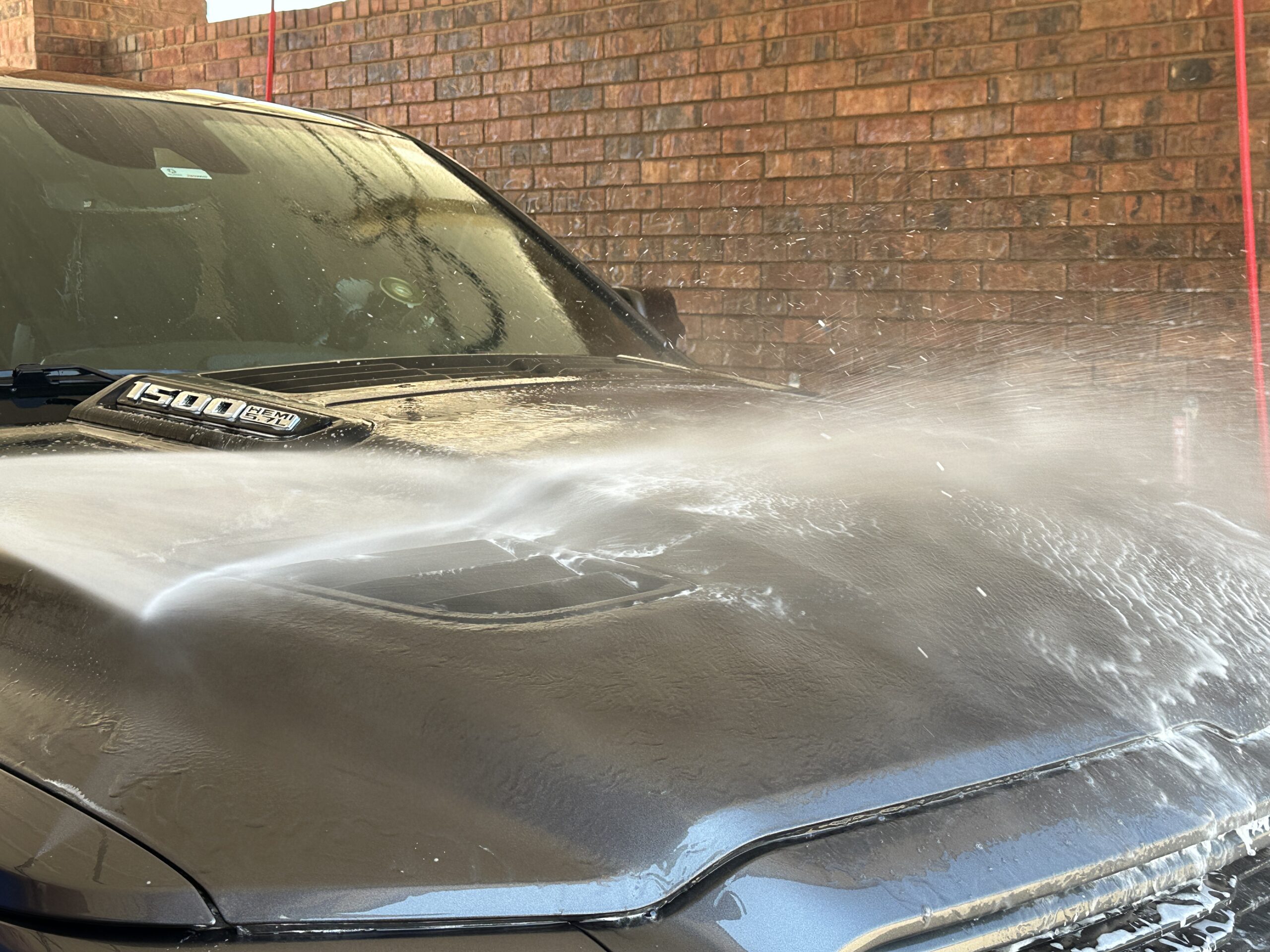
900 to 1200 PSI (PSI = Pounds per Square Inch)
This pressure range provides enough force to remove dirt and grime while remaining safe for vehicle surfaces.
Ultra-High Pressure Applications
Some advanced self-serve systems can deliver even higher cleaning power.
For example, our self-serve system, the Omni II, can provide:
Up to 1500 PSI
This ultra-high-pressure capability helps remove:
- Heavy mud
- Road grime
- Stubborn contaminants
- Construction debris
When used correctly, higher pressure can significantly improve cleaning effectiveness.
Water Pressure and Water Volume Work Together
A common misconception is that more pressure automatically means a better wash.
In reality, pressure and volume must work together.
A system with:
- High pressure but low volume
- High volume but low pressure
will often perform poorly.
When considering water volume and water pressure, the dynamics of cleaning should follow the basic premise that volume moves mass and pressure cuts. There is, of course, a balance between the two, which defines the quality of the cleaning achieved.
The most effective systems are carefully designed to balance both factors.
This is one reason advanced automatic systems like the Nexus Crossfire are engineered around the relationship between water volume and pressure. Proper design ensures a symbiotic application to maximize cleaning performance.
Factor #3: Water Quality

Even with the right pressure and volume, poor water quality can negatively affect wash results.
What Is Water Quality?
Water quality refers to the purity of the water being used.
Poor-quality water often contains:
- Minerals
- Calcium
- Magnesium
- Iron
- Sediment
These contaminants can leave behind:
- Water spots
- Streaks
- Mineral deposits
Each of the above variables compromises the performance of the chemicals or detergents, resulting in a poor wash and stubborn residue on the vehicle’s surface.
Benefits of High-Quality Water
Using properly treated water can improve:
- Detergent efficacy
- Vehicle appearance
- Drying performance
- Customer satisfaction
Many professional car wash facilities utilize filtration and treatment systems to make sure water quality remains consistent.
Without good water quality, even the best equipment and detergents can struggle to produce the desired result.
Factor #4: Good Chemistry

Chemistry is paramount; every other factor we have discussed is evaluated based on how well it complements the chemistry used.
Many people assume that water pressure removes dirt. In reality, pressure helps, but chemistry does much of the heavy lifting.
What Does Good Chemistry Mean?
Good chemistry includes:
- Properly formulated detergents
- Effective pre-soaks
- Correct dilution ratios
- Appropriate water temperature
- Sufficient soaking or dwell time
These elements work together to break down the bond between contaminants and the vehicle surface.
Why Pre-Soak Matters
Pre-soak chemicals play a critical role in cleaning.
Their job is to:
- Penetrate dirt
- Loosen grime
- Break contamination bonds
- Prepare surfaces for washing
Without an effective pre-soak, the cleaning process becomes much less efficient.
Detergents Need Time to Work
Quality detergents are designed to:
- Attract dirt particles
- Suspend contaminants
- Lift grime away from surfaces
However, they cannot do this instantly.
Like any cleaning solution, they require sufficient contact time to work properly.
Water Temperature Matters
Temperature is another important component of chemistry.
The correct water temperature helps:
- Improve detergent performance
- Accelerate chemical reactions
- Enhance cleaning effectiveness
When combined with quality chemicals and proper timing, temperature can significantly improve wash results.
Most chemicals will maximize their potency when applied at temperatures of 120°F to 125°F. With chemistry, more does not equate with better. Too much heat causes the detergent to break down, and as a result, it does not work as well.
Avoid Harsh Acid-Based Cleaners
There is one exception when discussing cleaning time: concentrated acids.
Acid-based products can clean very quickly, but they come with serious risks.
Problems with Acid-Based Cleaners
Concentrated acids can cause:
- Surface damage
- Paint deterioration
- Equipment wear
- Long-term vehicle damage
While they may provide fast results, the side effects are often severe.
For this reason, it is important to verify that any cleaning products you use do not rely on harsh acid formulations, especially Hydrofluoric Acid (HF), which in concentration can be quite harmful and even deadly. Those who know have learned to mask the use of HF by labeling products with base names such as Ammonium Bifluoride, which doesn’t sound like Hydrofluoric Acid at all. But, when Ammonium Bifluoride is mixed with water, guess what the result is? The answer is Hydrogen Fluoride ions and Fluoride ions, which are very acidic. Now what does that sound like? Maybe Hydrofluoric Acid! I think so…
A quality cleaning program should focus on safe, effective chemistry that delivers desired results without damaging vehicles or equipment.
Factor #5: Time
Time is one of the most underestimated factors in vehicle cleaning.
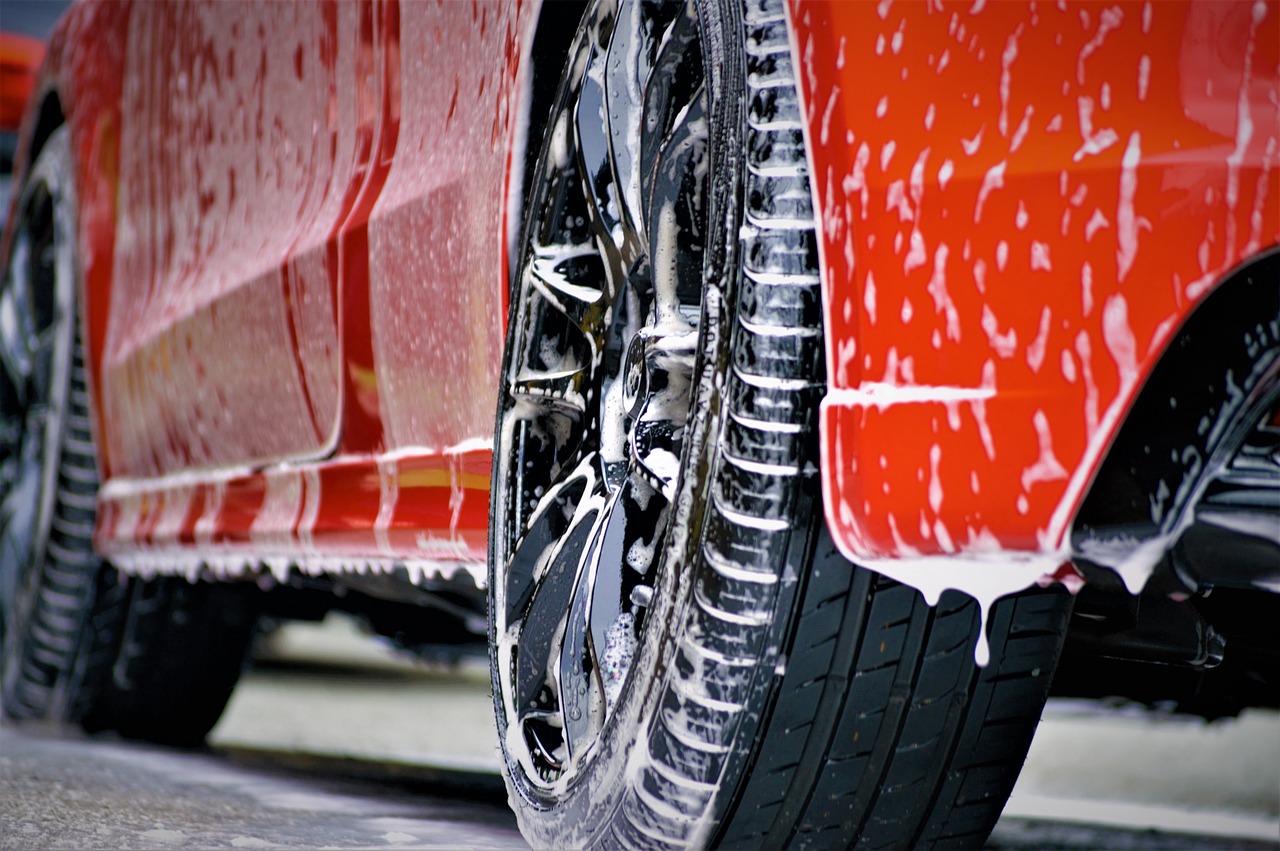
In today’s fast-paced schedule, called life, it is easy to believe that a faster wash would be better. And it would be if it worked, however, the reality is that chemical products (detergents) take time to work.
Why Time Is Essential
Pre-soaks need time to:
- Break down dirt
- Loosen contaminants
- Prepare surfaces
Detergents need time to:
- Bond with grime
- Lift debris
- Suspend contaminants for rinsing
If chemicals are rinsed away too quickly, they cannot perform their intended function.
Time and Chemistry Work Hand-in-Hand
Of all five cleaning factors, chemistry and time are perhaps the most closely connected.
The best cleaning results occur when you combine:
- Quality water source
- Appropriate chemistry
- Proper water temperature
- Correct dilution ratios
- Adequate dwell time
Together, these create the ideal conditions for removing dirt safely and effectively.
What Happens When One Factor Is Missing?
The five cleaning factors work together as a complete system.
If one factor is compromised, the entire wash suffers.
For example:
High Pressure + Poor Chemistry
Dirt remains bonded to the vehicle.
Great Chemistry + Not Enough Time
Cleaning agents never reach full effectiveness.
Proper Pressure + Poor Water Quality
Spots and residue remain after rinsing.
Good Volume + Weak Pressure
Heavy contaminants are not removed efficiently.
A quality wash requires balance between all five factors.
Professional Car Wash Systems Are Designed Around These Fundamental Principles

The most effective car wash equipment is designed to optimize all five cleaning factors.
Professional systems incorporate:
- Proper water volume
- Correct pressure ranges
- Water treatment solutions
- Advanced chemical application
- Carefully timed wash cycles
When all five elements work together, customers receive the clean, spotless finish they expect.
How to Wash a Car Properly
If you’ve ever wondered how to wash a car properly, the answer isn’t found in a single product or piece of equipment.
A successful wash depends on five essential factors:
- Water Volume
- Water Pressure
- Water Quality
- Good Chemistry
- Time
Each element plays a critical role in the cleaning process, and all five must work together to achieve the best possible results.
Whether you’re washing your own vehicle or operating a professional car wash facility, understanding these principles will help you achieve cleaner vehicles, better customer satisfaction and more consistent results.
Talk to Our Team About How to Wash a Car Correctly
Have questions about choosing the right system or planning your car wash setup? Our team is here to help you every step of the way.
Frequently Asked Questions About How to Wash a Car
What is the most important factor when cleaning a car?
All five factors are important, but chemistry and time are often the most overlooked. Even the best detergents need sufficient time to break down dirt and grime effectively.
What water pressure is best for washing a vehicle?
Most professional automatic and self-serve car wash systems operate between 900 and 1200 PSI. Some advanced self-serve systems can reach up to 1500 PSI, such as the Omni II by 3B Industries, for tougher cleaning applications.
Why is water volume important in a car wash?
Water volume helps carry away dirt, contaminants and cleaning chemicals. Industry standards typically call for approximately 2.8 to 3.5 GPM for self-service car washes and 36 GPM for touchless automatic car washes like the Crossfire family of IBAs.
Can poor water quality affect wash results?
Yes. Hard water and mineral contamination can cause water spots, streaking and residue, reducing the overall quality of the wash.
How long should pre-soak chemicals stay on a vehicle?
Pre-soaks should remain on the vehicle long enough to break down the bond between dirt and the vehicle surface. Exact times vary depending on the product and environmental conditions.
Are acid-based car wash chemicals safe?
While acids can clean quickly, they can also cause significant damage to vehicles, equipment and persons in proximity of use. It is generally recommended to use quality chemical formulations that do not rely on harsh acid concentrations.
Why do professional car washes clean better than washing at home?
Professional systems are designed to optimize water volume, pressure, chemistry, water quality and timing, creating a more effective and consistent cleaning process. Studies show that use of a professional car wash will result in less overall water usage than cleaning a car at home with a hose.
How do automatic car wash systems improve cleaning performance?
Advanced automatic systems, such as the Crossfire family of IBAs, are engineered to balance pressure, volume, chemistry and timing, providing the cleanest vehicle possible and bringing convenience and value to the customer.